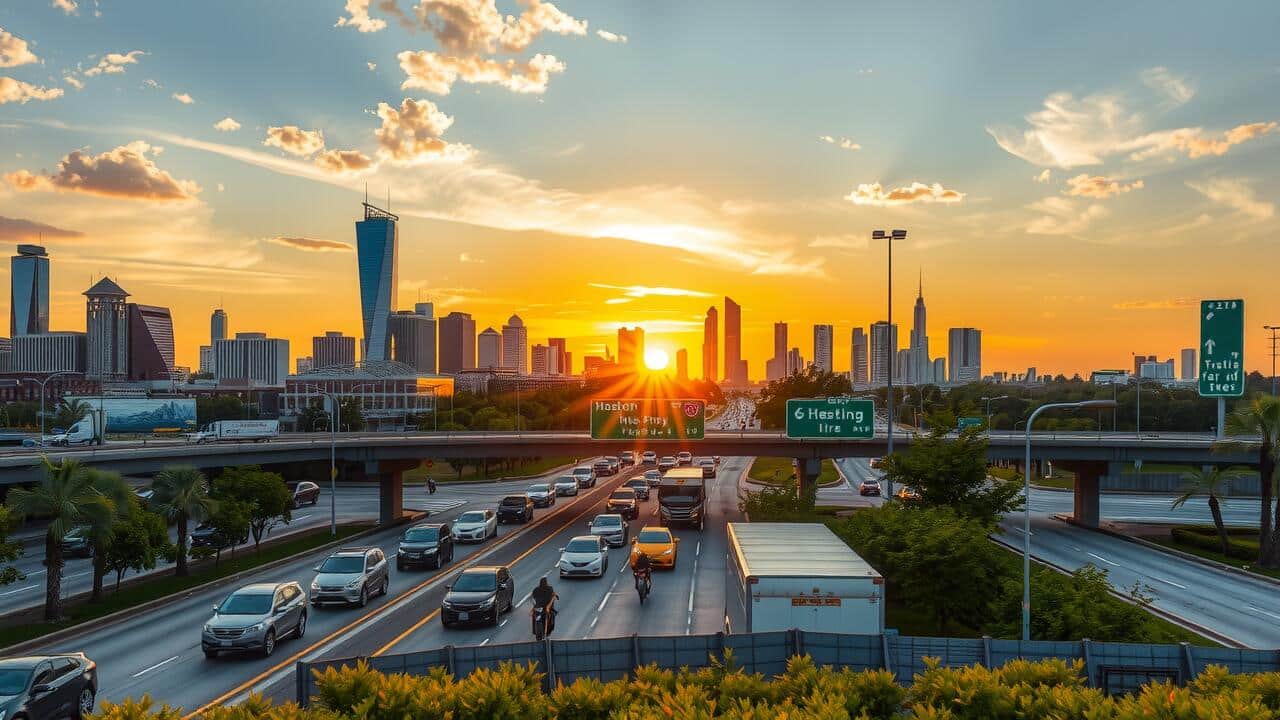
Safety Measures at the Junction
The Interstate Junction in Houston has implemented a range of safety measures aimed at reducing accidents and enhancing overall traffic flow. Advanced traffic signal systems have been installed, allowing for real-time data monitoring and adjustments based on current road conditions. Increased signage and visibility at key locations are among other strategies designed to guide drivers and ensure compliance with traffic regulations.
Regular safety audits are conducted to identify areas that require further attention. Lighting improvements have also been prioritized, particularly at high-traffic intersections. The installation of surveillance cameras serves both as a deterrent to reckless behavior and as a tool for post-incident analysis. Public awareness campaigns have been launched to educate motorists about safe driving practices within the junction.
Recent Improvements and Innovations
Recent enhancements at the Interstate Junction have focused on improving traffic flow and reducing congestion. The installation of smart traffic signals equipped with real-time monitoring capabilities has significantly optimized vehicle movement. These innovations adapt signal timings based on current traffic conditions, allowing for smoother transitions between junctions. The addition of dynamic message signs informs drivers about travel times and road conditions, helping them make informed decisions while navigating the area.
Upgraded pedestrian infrastructure represents another important advancement. New crosswalks have been designed with better visibility and safety features. Enhanced lighting and tactile paving improve accessibility for all users. Additionally, bicycle lanes have been incorporated, promoting eco-friendly transportation and encouraging a more active lifestyle among commuters. These developments create a more integrated and user-friendly environment at the junction, addressing the needs of a diverse range of travelers.
Public Transportation Options
The Interstate Junction in Houston serves as a crucial hub for public transportation, providing multiple options for commuters. Local buses frequently connect to various neighborhoods, making it easier for residents to access jobs, schools, and essential services. Additionally, the nearby light rail system offers a convenient means of navigating the city, reducing travel times and lessening reliance on personal vehicles. These services enhance connectivity and contribute to a more sustainable urban environment.
Ridesharing services have also gained popularity around the junction, offering an alternative for those who prefer a more flexible travel option. The integration of these various transportation modes allows commuters to transition smoothly between systems, streamlining their overall experience. As a result, individuals can plan their journeys with greater efficiency, making public transit a viable choice for daily travel. Increasing efforts to improve amenities and signage further support these options, encouraging even more residents to consider alternatives to driving.
Integration with Interstate Junction
The integration of public transportation systems with the Interstate Junction in Houston has become a focal point for urban planners. The aim is to create seamless connections between various modes of transport, enhancing accessibility for commuters. This initiative involves not only bus routes but also rail services that feed into the junction. By streamlining transfers, officials hope to reduce congestion and improve overall travel time for residents and visitors alike.
Incorporating smart technology is also part of the integration strategy. Real-time updates on transit schedules can help travelers make informed decisions about their journeys. These technological enhancements facilitate a more user-friendly experience, catering to the increasing number of passengers utilizing the junction daily. Overall, a comprehensive approach to integration is essential for supporting Houston’s growth and improving mobility throughout the region.
Future Developments in Infrastructure
Houston’s Interstate Junction is set to undergo significant upgrades aimed at enhancing traffic flow and safety. Planners are focusing on expanding existing lanes and introducing new traffic management technologies. These improvements are expected to alleviate congestion during peak hours and provide a more seamless driving experience for commuters. Additionally, better signage and real-time traffic updates will aid drivers in making informed decisions on their routes.
Future plans also include better pedestrian and cyclist facilities, encouraging alternative modes of transport. Enhanced crosswalks and dedicated bike lanes are part of the vision to promote safer interactions between vehicles and non-motorized road users. Integrating green spaces within the junction’s infrastructure could further improve the area’s aesthetics and encourage community engagement. Such developments reflect a broader commitment to a more sustainable and efficient transportation network in Houston.
Planned Upgrades and Expansions
The future of the Interstate Junction in Houston envisions significant upgrades aimed at enhancing traffic flow and safety. Initial plans include widening key merge points to accommodate increasing vehicle volumes. Additional lanes and improved signage are scheduled for construction, targeting peak travel times when congestion is at its worst. These changes intend to minimize bottlenecks that frequently affect the junction’s efficiency.
In parallel, local authorities are prioritizing the integration of smart technology in traffic management systems. Sensors will be installed to monitor real-time traffic conditions and adjust signal timings accordingly. This initiative is designed to facilitate smoother transitions for vehicles entering and exiting the junction, ultimately improving overall transit times. Enhancements in pedestrian access and safety features will also be crucial components of this comprehensive expansion plan.
FAQS
What are some safety measures implemented at the Interstate Junction in Houston?
Safety measures at the Interstate Junction include improved lighting, enhanced signage, updated traffic signals, and regular monitoring by law enforcement to ensure a safe driving environment.
What recent improvements have been made at the Interstate Junction?
Recent improvements at the Interstate Junction include the installation of new traffic management systems, the addition of dedicated bike lanes, and the expansion of pedestrian walkways to enhance overall traffic flow and safety.
What public transportation options are available at the Interstate Junction?
Public transportation options at the Interstate Junction include bus services, light rail connections, and rideshare drop-off points, providing convenient access for commuters and travelers.
How does the public transportation integrate with the Interstate Junction?
Public transportation integrates with the Interstate Junction by offering direct connections to major highways and facilitating easy transfers between different modes of transport, allowing for seamless travel across the region.
What future developments are planned for the Interstate Junction?
Future developments at the Interstate Junction include planned upgrades such as expanded lanes, innovative traffic management technologies, and enhanced amenities for travelers to improve overall efficiency and safety.
Interstate Junction, Houston
Services Provided by Houston Home Remodeling Pro’s in the Interstate Junction, Houston area:
Bathroom Remodeling
Interior Design
Gutter Installation
Siding Installation
Roofing Services
Fence Installation
Landscaping Design
Home Renovation
Electrical and Plumbing Services
Flooring Installation
Painting
Drywall Installation
Kitchen Remodeling
Room Additions
Basement Finishing
Window and Door Replacement
Residential Construction
Deck Repair
Painting Services
Swimming Pool Installation
Masonry and Concrete Work
Masonry Services
Deck and Patio Construction
Garage Remodeling
Pergola Installation
HVAC Installation and Repair
Custom Deck Design
Home Additions
Commercial Construction
Deck Building
Outdoor Kitchen Construction
Landscaping Services