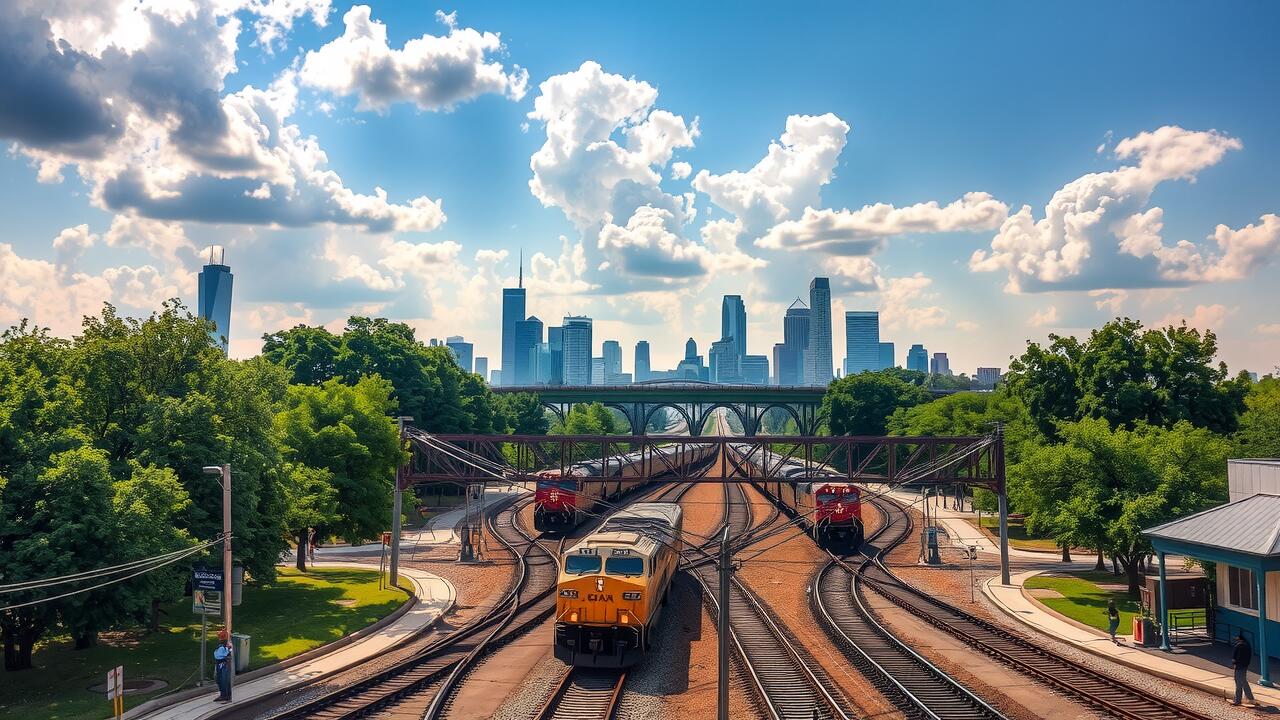
Future Development Plans
The area surrounding East Wye Junction is set to undergo significant transformations as new development projects are introduced. These plans aim to enhance both residential and commercial spaces, promoting a vibrant community that caters to various needs. Improvements in infrastructure will accompany the expansion, ensuring that accessibility remains a priority for residents and businesses alike.
Local stakeholders are actively participating in the planning process, emphasizing the importance of integrating mixed-use developments. These initiatives seek to create a dynamic environment where people can live, work, and play in close proximity. The commitment to sustainable practices remains a focal point, with proposals for eco-friendly buildings and efficient public transit systems expected to shape the future landscape of East Wye Junction.
Proposed Transportation Projects
The proposed transportation projects surrounding East Wye Junction have attracted significant attention from city planners and residents alike. A primary focus is the expansion of the metro rail system, which aims to enhance connectivity between key districts and improve access to the junction. The introduction of additional bus routes is also under consideration to accommodate the growing population in nearby neighborhoods. This shift towards integrated public transit is designed to alleviate traffic congestion and reduce reliance on personal vehicles.
Bicycle lanes and pedestrian pathways are another crucial aspect of these proposals, encouraging sustainable commuting options. The incorporation of modern technology into transit systems is planned, including real-time tracking for buses and trains. Enhancements to station facilities are expected to provide improved amenities for commuters. These initiatives are set to foster a more efficient, user-friendly transportation network, ultimately supporting the area’s development and addressing the needs of its inhabitants.
Environmental Considerations
The environmental landscape surrounding East Wye Junction plays a critical role in urban planning and community health. Local ecosystems include wetlands and green corridors that foster biodiversity. Protecting these areas is essential for maintaining the balance of flora and fauna native to the region. Industrial and residential expansions pose risks to water quality and wildlife habitats. Understanding these dynamics is crucial for informing sustainable development practices.
Existing conservation efforts focus on minimizing the ecological footprint of new developments. Initiatives include enhancing green spaces and implementing stormwater management systems. Local advocacy groups have mobilized to promote these goals, emphasizing the importance of environmental stewardship among community members. Such initiatives not only enhance the quality of life for residents but also ensure that future growth aligns with ecological sustainability.
Green Spaces and Conservation Efforts
East Wye Junction has increasingly prioritized the integration of green spaces within urban development plans. Parks and community gardens are being established to enhance residents’ quality of life and promote biodiversity. These areas serve as essential recreational facilities, fostering community engagement and encouraging outdoor activities. Additionally, local initiatives aim to educate residents about the importance of maintaining these green spaces, emphasizing their role in improving air quality and supporting wildlife habitats.
Conservation efforts in the region are gaining momentum, with various organizations collaborating to restore and protect natural habitats. Local government support facilitates the creation of wildlife corridors and preserves that mitigate the impact of urbanization. These efforts also include routine maintenance of existing parks, ensuring that plant life and ecosystems thrive. As urban density increases, the commitment to conserving these green areas becomes critical in maintaining ecological balance and enhancing the overall aesthetic of the community.
Local Government and Administration
The city of Houston plays a crucial role in the administration of East Wye Junction. Local government entities are responsible for zoning regulations, infrastructure planning, and community engagement. These aspects directly influence the development of neighborhoods and the efficient management of public services. Comprehensive planning efforts ensure that the area meets the needs of its residents while fostering sustainable growth. Various departments work together to create policies that address transport, housing, and overall urban development within the jurisdiction.
Community participation is vital in shaping local policies. Public meetings and forums allow residents to voice their concerns and suggestions. This engagement fosters transparency and accountability between local officials and the community. Various committees and advisory boards consist of community members who provide insights on specific issues, such as transportation and public safety. Overall, effective collaboration between government entities and citizens contributes to the successful administration of East Wye Junction.
Role in Urban Planning
The urban landscape of East Wye Junction is shaped significantly by the local government’s planning strategies. Zoning regulations and development guidelines are put in place to ensure that growth aligns with community needs. These policies aim to balance residential, commercial, and recreational spaces. Stakeholders actively participate in discussions that inform these regulations, allowing for a diverse array of perspectives to influence decision-making.
Local administration plays a vital role in coordinating infrastructure improvements and transportation projects. By engaging with residents and businesses, officials gather input crucial for effective urban planning. Investment in public transportation and road improvements is prioritized to enhance connectivity within the area. Continued collaboration among all parties ensures that the development aligns with the goals of sustainability and livability for current and future residents.
FAQS
What is East Wye Junction, and why is it significant?
East Wye Junction is a key transportation hub located in Houston that plays a crucial role in connecting various transit routes and facilitating efficient travel within the city and beyond.
What future development plans are in place for East Wye Junction?
Future development plans for East Wye Junction include various transportation projects aimed at improving connectivity and accessibility, as well as enhancing the surrounding infrastructure to accommodate growth in the area.
What transportation projects are proposed for East Wye Junction?
Proposed transportation projects for East Wye Junction include the expansion of public transit options, upgrades to existing roadways, and the development of multimodal facilities to support different forms of transportation.
How are environmental considerations being addressed in the development of East Wye Junction?
Environmental considerations at East Wye Junction focus on minimizing ecological impact, implementing sustainable practices, and ensuring that development aligns with conservation efforts to protect local ecosystems.
What initiatives are being taken to create green spaces around East Wye Junction?
Initiatives for creating green spaces around East Wye Junction include the establishment of parks, trails, and conservation areas that promote biodiversity and provide recreational opportunities for the community.
East Wye Junction, Houston
Services Provided by Houston Home Remodeling Pro’s in the East Wye Junction, Houston area:
Bathroom Remodeling
Interior Design
Gutter Installation
Siding Installation
Roofing Services
Fence Installation
Landscaping Design
Home Renovation
Electrical and Plumbing Services
Flooring Installation
Painting
Drywall Installation
Kitchen Remodeling
Room Additions
Basement Finishing
Window and Door Replacement
Residential Construction
Deck Repair
Painting Services
Swimming Pool Installation
Masonry and Concrete Work
Masonry Services
Deck and Patio Construction
Garage Remodeling
Pergola Installation
HVAC Installation and Repair
Custom Deck Design
Home Additions
Commercial Construction
Deck Building
Outdoor Kitchen Construction
Landscaping Services