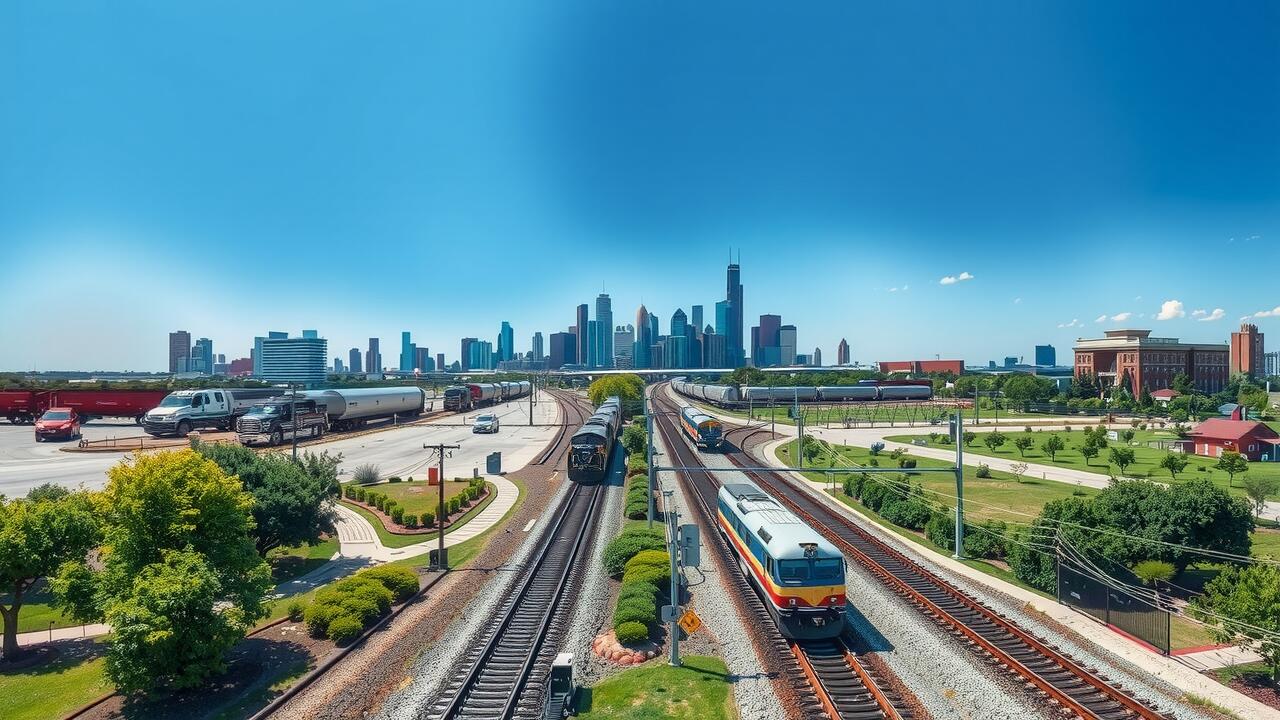
Economic Impact
The introduction of the Double Track Junction has resulted in a significant economic boost for Houston. Increased rail capacity enhances the efficiency of freight transport, which directly benefits local industries by reducing shipping times and costs. More reliable connections facilitate better access to domestic and international markets. This improvement encourages businesses to expand operations within the area, leading to increased job creation and investment opportunities.
Local businesses also stand to benefit from the increased traffic brought by the junction. Restaurants, hotels, and retail stores often see a rise in customers due to both increased regional activity and the convenience of logistics. This influx stimulates local spending, which can support community development initiatives. Moreover, the economic growth bolstered by the junction can lead to the enhancement of infrastructure, providing lasting advantages for the citizens of Houston.
Benefits to Local Business and Industry
The introduction of the Double Track Junction has resulted in increased access and improved logistics for businesses in the surrounding area. Enhanced rail transport capabilities allow for more efficient movement of goods, directly benefiting local industries such as manufacturing and distribution. As companies can transport products more swiftly, they can better meet market demands and reduce operational costs.
Furthermore, the project has created new opportunities for local enterprises. Increased foot traffic from commuters can support nearby shops, restaurants, and services. Local entrepreneurs may capitalize on the uptick in visitors by offering unique services or products, fostering a vibrant commercial atmosphere that stimulates economic growth.
Community Engagement
The involvement of local residents in the planning and development of the Double Track Junction project has fostered a sense of ownership and pride within the community. Regular town hall meetings have provided a platform for residents to voice their opinions, share concerns, and suggest improvements. This participatory approach has strengthened relationships among community members and city officials, facilitating greater transparency in the decision-making process.
Additionally, various community groups have organized events to raise awareness about the project and its potential benefits. Educational workshops have been held to inform residents about the infrastructure developments and how these will impact daily life. The active participation of local organizations has contributed to a more informed citizenry, encouraging dialogue and collaboration that enhances the project’s alignment with community needs and values.
Involvement of Local Residents
The participation of community members in the Double Track Junction project has been integral to its development. Residents have contributed by attending town hall meetings and providing feedback on design proposals. Their input has helped shape various aspects of the project, ensuring that it reflects the needs and desires of those who live nearby.
Local organizations have also played an important role in rallying support for the initiative. Collaborations with schools, neighborhood associations, and advocacy groups have fostered a sense of ownership among residents. These partnerships have not only raised awareness about the project but also encouraged more people to envision its potential benefits for the community.
Environmental Considerations
The construction and operation of the Double Track Junction in Houston raise important environmental considerations. Assessing the potential impact on local ecosystems is crucial. The project may disrupt habitats for various species that call the area home. Noise pollution, water runoff, and air quality are also factors that need careful monitoring. Regulatory measures and guidelines will play a significant role in mitigating adverse consequences.
Evaluating the ecological footprint involves collaboration between engineers, environmental scientists, and the community. Strategies to minimize disturbance include utilizing green technology and implementing effective drainage systems. Promoting native vegetation in surrounding areas can support biodiversity. Engaging local environmental organizations can also enhance project sustainability and ensure that community concerns are addressed.
Assessing the Ecological Footprint
Evaluating the ecological impacts of the Double Track Junction involves examining various factors, including land use, habitat alteration, and transportation emissions. The construction and operation of this junction have the potential to disrupt local ecosystems, affecting wildlife and plant species in the area. Sustainable design practices can mitigate some of these effects, ensuring compliance with environmental regulations while promoting biodiversity in the region. Special attention must be paid to areas that house endangered species or unique habitats to minimize disruption during development.
The infrastructure surrounding the Double Track Junction must incorporate effective stormwater management systems. These systems can help reduce runoff that could harm local waterways and wetlands. Moreover, adopting green technologies in construction and train operations can further lessen the junction’s carbon footprint. Engaging with environmental organizations during the planning phase can provide valuable insights and foster a cooperative approach to preserving the area’s natural resources. This holistic perspective highlights the importance of balancing urban development with ecological stewardship.
FAQS
What is the Double Track Junction in Houston?
The Double Track Junction in Houston is a significant railway intersection designed to enhance the efficiency of freight and passenger train operations within the region.
How does the Double Track Junction economically impact the local community?
The Double Track Junction is expected to boost the local economy by improving transportation efficiency, reducing shipping times, and supporting local businesses and industries that rely on rail transport.
What benefits does the Double Track Junction provide to local businesses and industries?
Local businesses and industries gain increased access to transportation networks, which can lead to reduced logistics costs, enhanced delivery times, and the potential for new partnerships and markets.
How are local residents involved in the development of the Double Track Junction?
Local residents are engaged through community meetings and forums, allowing them to voice their concerns, ask questions, and provide input on the project’s planning and implementation.
What environmental considerations are being assessed for the Double Track Junction?
Environmental considerations include studying the ecological footprint of the project, such as its impact on local wildlife, air quality, and noise pollution, to ensure sustainable development practices are followed.
Double Track Junction, Houston
Services Provided by Houston Home Remodeling Pro’s in the Double Track Junction, Houston area:
Bathroom Remodeling
Interior Design
Gutter Installation
Siding Installation
Roofing Services
Fence Installation
Landscaping Design
Home Renovation
Electrical and Plumbing Services
Flooring Installation
Painting
Drywall Installation
Kitchen Remodeling
Room Additions
Basement Finishing
Window and Door Replacement
Residential Construction
Deck Repair
Painting Services
Swimming Pool Installation
Masonry and Concrete Work
Masonry Services
Deck and Patio Construction
Garage Remodeling
Pergola Installation
HVAC Installation and Repair
Custom Deck Design
Home Additions
Commercial Construction
Deck Building
Outdoor Kitchen Construction
Landscaping Services