Table Of Contents
Renovating the Exterior
Renovating the exterior of a home is essential for enhancing its overall appeal and value. A fresh coat of paint can rejuvenate a tired façade, while new siding may protect the property from weather damage. Upgrading windows and doors not only improves aesthetics but also boosts energy efficiency. These exterior improvements create an inviting atmosphere that can make a lasting impression on visitors and potential buyers.
Landscaping plays a critical role in the home renovation in any project. Hedges, flowers, and strategically placed trees can add both beauty and privacy to a property. Simple additions like walkways or other outdoor features can also elevate the exterior’s charm. A well-designed landscape complements the home’s architecture while creating a welcoming entrance that enhances curb appeal.
Improving Curb Appeal with Landscaping
Enhancing curb appeal through landscaping is a vital aspect of any home renovation in enhancing the overall aesthetics. Strategic plant placements, seasonal flowers, and well-maintained greenery can significantly elevate the look of a property. The addition of shrubs, trees, and colorful flower beds not only breaks up monotony but also creates a welcoming atmosphere. Choosing native plants often simplifies maintenance and promotes sustainability, making them an excellent option for many homeowners looking to boost their exterior appeal.
Furthermore, thoughtful design in landscaping can guide the visitor’s eye to focal points. Walkways lined with plants or decorative stones lead to the entrance, inviting attention and intrigue. Incorporating elements like outdoor lighting, decorative fencing, or even a small water feature can increase the charm of the front yard. Home renovation in this area should balance aesthetics with functionality, ensuring easy access and upkeep while contributing positively to the neighborhood’s overall character.
Upgrading Interior Spaces
Upgrading interior spaces is essential for enhancing both functionality and aesthetics within a home. During home renovation in any property, kitchens and bathrooms often take center stage due to their impact on daily living. Investing in modern appliances, updated fixtures, and efficient layouts can transform these areas into more inviting and usable spaces. Thoughtfully designed interiors not only improve the overall experience but also add significant value to the home.
Beyond kitchens and bathrooms, attention should also be given to living areas, bedrooms, and hallways. For home renovation in these spaces, consider fresh paint, improved lighting, and updated flooring to create a cohesive and welcoming atmosphere. Personal touches such as artwork, decor, and furniture can reflect individual style while enhancing comfort and usability. Focusing on these upgrades ensures that the interior aligns with both modern standards and personal preferences.
Remodeling Kitchens and Bathrooms
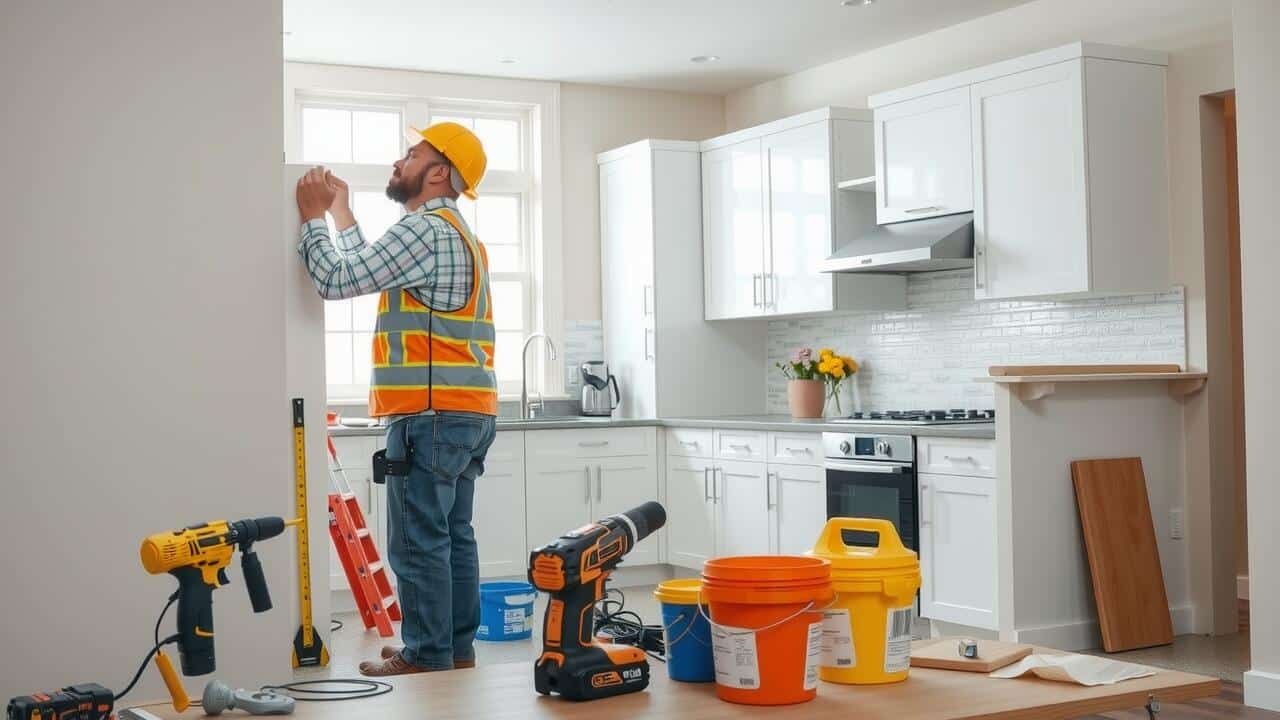
Kitchens and bathrooms are often considered the heart of a home, making their renovation essential for improving both aesthetics and functionality. When planning a remodel in these spaces, consider the flow and layout. Open-concept designs can enhance social interactions during gatherings, while an efficient bathroom layout can facilitate a quick morning routine. Home renovation in these areas typically involves updating fixtures, cabinetry, and appliances to ensure both style and energy efficiency.
Investing in high-quality materials can elevate the overall finish of kitchens and bathrooms. For countertops, options like quartz or granite provide durability and visual appeal, while tile selections can facilitate both design coherence and ease of maintenance. Proper lighting can also greatly enhance the space, making it feel more inviting and practical. Home renovation in kitchens and bathrooms succeeds when these elements come together to create spaces that are not only beautiful but also functional for everyday use.
Focusing on Flooring Options
Selecting the right flooring is a crucial step in home renovation in any project. Different rooms serve various purposes, prompting the need for diverse flooring materials. For instance, moisture-resistant options like vinyl or tile are ideal for bathrooms and kitchens, while hardwood or carpet can create a warm and inviting atmosphere in living spaces and bedrooms. Considering durability and maintenance requirements is essential, as some materials withstand heavy foot traffic better than others.
When deciding on flooring materials, it is also important to assess the style and overall aesthetic of the home. Sleek, modern tiles may complement a contemporary design, while rustic wooden planks fit well in more traditional settings. Mixing and matching materials can enhance the character of each space, provided it is done thoughtfully. Home renovation in this area involves balancing functionality with visual appeal to achieve a cohesive look throughout the house.
Choosing the Right Materials for Each Room
Selecting the right materials for each room is crucial to achieving a cohesive look in your home’s design. In a home renovation, different spaces serve various functions, which often demands specific materials that can withstand wear and tear while also making a visual impact. For example, a kitchen requires durable surfaces that can handle heat and moisture, such as granite or quartz countertops, while bathrooms benefit from water-resistant materials like porcelain tiles.
When considering flooring options, it’s important to match the material with the purpose of the room. Hardwood floors bring warmth to living areas, but might not be ideal for bathrooms where moisture can be a concern. Luxury vinyl plank can provide a stylish alternative that mimics wood while offering better moisture resistance. A thoughtful approach to materials enhances the overall flow and functionality of your home renovation in each space, ensuring that each room not only looks great but also serves its intended purpose effectively.
FAQS
What is the first step in renovating a house?
The first step in renovating a house is to focus on the exterior, particularly improving curb appeal with landscaping and any necessary repairs.
Should I renovate the interior or exterior first?
It’s generally recommended to start with the exterior renovations to enhance curb appeal, then move to the interior spaces for upgrades and remodeling.
How important is landscaping in the renovation process?
Landscaping is crucial as it significantly improves curb appeal and sets the tone for the rest of the home. A well-landscaped exterior can create a welcoming atmosphere.
What areas of the interior should I focus on?
The interior renovation should prioritize kitchens and bathrooms, as these areas often provide the highest return on investment and enhance the home’s functionality.
How do I choose the right flooring for each room?
Choosing the right flooring involves considering the room’s purpose, foot traffic, and desired aesthetics. For example, durable materials like tile or vinyl are ideal for high-traffic areas, while softer options like carpet may work well in bedrooms.