Table Of Contents
DIY vs. Professional Installation
Choosing between DIY installation and hiring a professional can significantly affect the overall cost of installing vinyl plank flooring. DIY installation typically requires a smaller financial outlay since you won’t be paying for labor. However, this option also demands time and effort, along with a willingness to learn new skills. Many homeowners find themselves searching online for “Flooring Installation near me” to gauge professional rates and compare them with potential savings from a DIY project.
On the other hand, opting for professional installation usually ensures a higher quality of work. Experienced installers can navigate the complexities of flooring projects, which can lead to a smoother finish and fewer mistakes. While the initial investment may be greater, warranties and guarantees often accompany professional services, ensuring peace of mind. This route allows you to rely on experts, leaving you free to focus on other aspects of home improvement.
Cost Implications of Each Option
Choosing between DIY and professional installation can significantly impact your budget. A DIY approach might seem cost-effective initially. However, you must factor in the expenses related to tools and materials. Making mistakes can lead to additional costs for replacing damaged planks. The time investment also adds another layer of consideration, as a project that drags on can create hidden expenses.
On the other hand, hiring professionals tends to come with a higher upfront cost. Labor expenses vary widely, depending on your location and the contractor’s experience. Researching “Flooring Installation near me” will give you an idea of the market rates in your area. Although higher costs might be discouraging, professional installers often ensure a faster and more reliable finish. This can save you money in the long run by minimizing potential repairs or replacements.
Tools and Supplies Needed
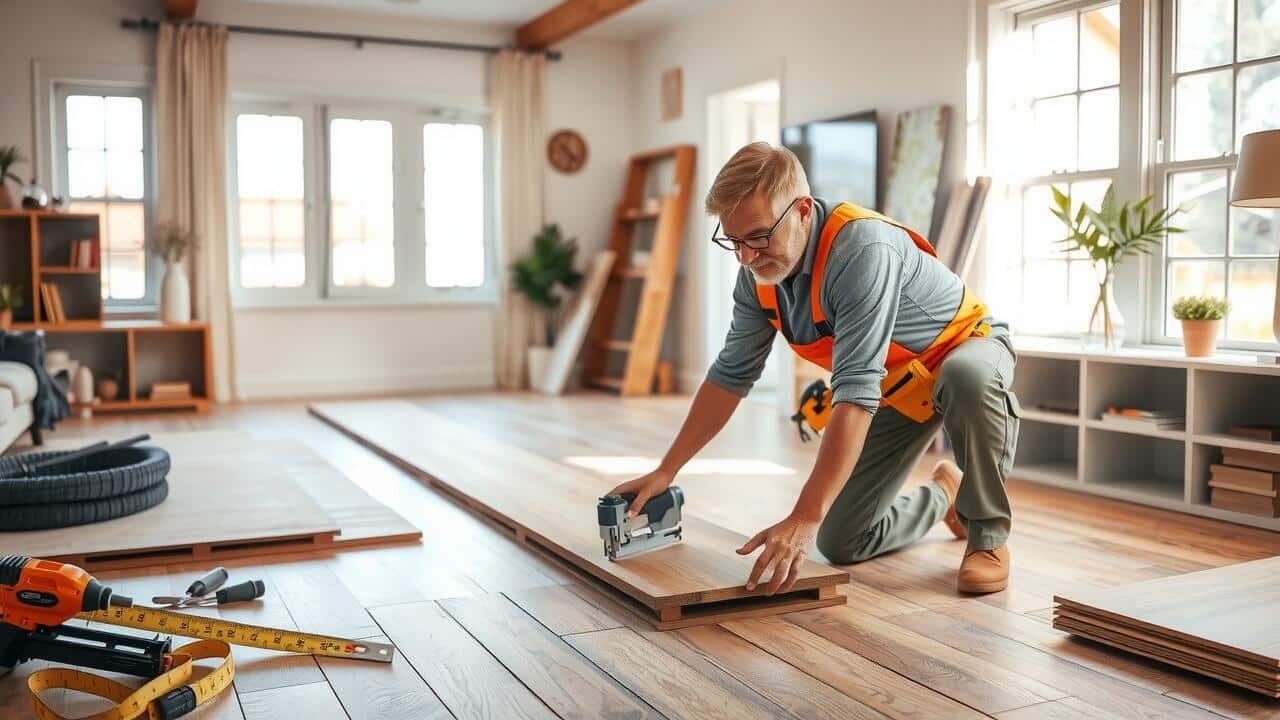
When embarking on a vinyl plank flooring project, having the right tools and supplies is crucial for a successful installation. Essential items include a utility knife for cutting planks, a tapping block to ensure tight seams, and a pull bar for snug fits against walls. A measuring tape will help ensure accurate cuts, while a square can assist in maintaining straight lines. Many homeowners opt to rent specialized tools, such as a flooring cutter, to save on upfront costs.
For those considering hiring professional help, searching for “flooring installation near me” can yield valuable resources. Professionals often come equipped with their own tools, which may include pneumatic nailers or staple guns for specific applications. Additionally, they are familiar with the best practices for installing vinyl plank flooring, which can save time and ensure quality. Keeping in mind the tools required will not only facilitate the installation but also influence the overall costs involved.
Essential Equipment for Installation
When undertaking a vinyl plank flooring installation, having the right tools is essential for achieving a professional finish. A miter saw or utility knife will help cut the planks accurately, while a measuring tape and chalk line ensure precise alignment. Additionally, a tapping block and pull bar are crucial for snugly fitting the planks together. If you search for “Flooring Installation near me,” local suppliers often carry these tools, making it convenient to gather everything you need for the project.
Other items like a level, spacers, and a flooring scraper may also be necessary depending on the condition of the subfloor. Some homeowners might consider renting tools for a one-time project, especially larger items like a flooring nailer or a drum sander. Planning ahead and ensuring all equipment is on hand can save time and frustration during the installation process.
Warranty and Maintenance Costs
Vinyl plank flooring is often praised for its durability and low maintenance requirements. Most manufacturers provide a warranty that ranges from 15 to 25 years, protecting against defects in materials and workmanship. Buyers should carefully read the terms to understand what is covered, as some warranties might require specific installation methods or maintenance routines to remain valid. Regular cleaning and occasional refinishing can prolong the life of the flooring, but costs associated with these upkeep activities can add up over time.
When considering the long-term financial implications of installing vinyl plank flooring, maintenance costs should play a significant role in the overall budget. While the initial investment in materials and labor might seem manageable, ongoing expenses such as cleaning supplies and potential repairs could impact the total cost. Homeowners often search for “Flooring Installation near me” to find professionals who can assist with both installation and maintenance needs. This can further streamline the upkeep process, ensuring that the flooring remains in top condition throughout its lifespan.
Long-term Financial Considerations
Investing in vinyl plank flooring can have significant long-term financial implications. Vinyl flooring is known for its durability and resistance to wear, which can lead to lower replacement costs over the years. Additionally, its ability to mimic the look of hardwood or tile without the high price tag makes it an appealing choice for homeowners looking to enhance property value. When considering long-term maintenance, it is essential to factor in cleaning products and occasional repairs, but overall, the costs tend to remain lower compared to other flooring types.
Searching for “Flooring Installation near me” can help homeowners find local professionals who not only install but also provide ongoing support and maintenance services. Regular maintenance contributes to extending the lifespan of vinyl flooring, allowing homeowners to enjoy its benefits without incurring hefty costs over time. Ultimately, the balance between installation expenses, maintenance, and potential increases in property value plays a crucial role in determining the overall return on investment when choosing vinyl plank flooring.
FAQS
What is the average cost to install 1000 sq ft of vinyl plank flooring?
The average cost to install vinyl plank flooring for a 1000 sq ft area typically ranges from $2,000 to $5,000, depending on factors such as material quality, installation method, and labor costs.
Is it cheaper to install vinyl plank flooring myself?
Yes, installing vinyl plank flooring yourself can significantly reduce costs since you eliminate labor expenses. However, you’ll need to consider the cost of tools and materials, as well as the time required for installation.
What tools do I need for DIY installation of vinyl plank flooring?
Essential tools for DIY installation include a utility knife, measuring tape, square, straightedge, tapping block, pull bar, and a rubber mallet. You may also need a saw for cutting planks in tight spaces.
Do I need a warranty for vinyl plank flooring, and what does it cover?
Yes, many manufacturers offer warranties on vinyl plank flooring, typically covering defects in material and workmanship. It’s essential to read the warranty details, as coverage can vary significantly.
What maintenance costs should I anticipate after installing vinyl plank flooring?
Maintenance costs for vinyl plank flooring are generally low. Regular cleaning and occasional refinishing can extend the life of your flooring, with costs primarily involving cleaning supplies and tools like mops and brooms.
