Table Of Contents
Energy Efficiency and Its Financial Implications
Energy efficiency plays a significant role in the overall cost and long-term savings associated with window and door replacement. Installing energy-efficient windows and doors can dramatically reduce heating and cooling costs, leading to substantial savings on energy bills over time. Enhanced insulation properties minimize air leaks, keeping indoor climates stable and reducing reliance on HVAC systems. These improvements not only provide comfort but also contribute to a more sustainable living environment.
When considering window and door replacement in homes, it is important to evaluate the upfront costs against potential energy savings and increased home value. Many energy-efficient options come with a higher initial price tag, but tax credits and rebates available for using eco-friendly materials can help offset these costs. Additionally, homes with modern, efficient windows and doors tend to attract buyers more easily in the real estate market, as energy efficiency becomes a key selling point.
Return on Investment for Energy-Efficient Options
Investing in energy-efficient windows and doors can offer significant returns in the long run. Homeowners often see a reduction in energy bills due to improved insulation and lower heat loss during colder months. With many models designed to exceed Energy Star standards, the initial cost of Window and Door Replacement in energy-efficient options frequently pays off. Additionally, various states and local governments provide incentives and tax credits for homeowners who choose sustainable options, further enhancing the financial appeal.
The return on investment (ROI) for energy-efficient upgrades can vary based on several factors, including the local housing market and the specific types of products chosen. Typically, energy-efficient windows and doors can yield an ROI of 70% to 85% when it comes time to sell the home. This not only increases the property’s value but also attracts buyers who prioritize sustainability. Window and Door Replacement in energy-efficient styles may initially seem pricier, but the long-term savings and added value make it a prudent choice.
Regional Cost Variations
Regional cost variations play a significant role in determining the overall expenses associated with window and door replacement in different areas. In urban regions, costs can be higher due to increased labor rates and overhead expenses. Conversely, rural locations might offer lower labor costs, but they may face limited availability of specialized contractors and materials. This disparity emphasizes the importance of understanding local market conditions when budgeting for a project.
Furthermore, the climate in a specific region can influence both material choices and installation costs. Areas with harsh weather conditions may require more durable and energy-efficient products, potentially raising overall expenses. On the other hand, milder climates may allow for less expensive options. Homeowners should conduct thorough research to assess how regional trends impact window and door replacement in their locality, ensuring they make informed decisions.
How Location Affects Pricing
The cost of window and door replacement can vary significantly across different regions in the United States. Factors such as local labor rates, material availability, and climate considerations contribute to these price differences. Urban areas often face higher costs due to increased demand and living expenses. On the other hand, rural locations may offer more competitive pricing due to lower overhead for contractors.
Regional preferences also play a crucial role in pricing. For instance, Window and Door Replacement in coastal areas might involve additional expenses due to hurricane-resistant materials and specific installation techniques. Conversely, homes in temperate climates may emphasize energy-efficient designs that could influence costs in varying ways. Understanding these regional dynamics can help homeowners make informed decisions regarding their replacement projects.
DIY vs. Professional Installation
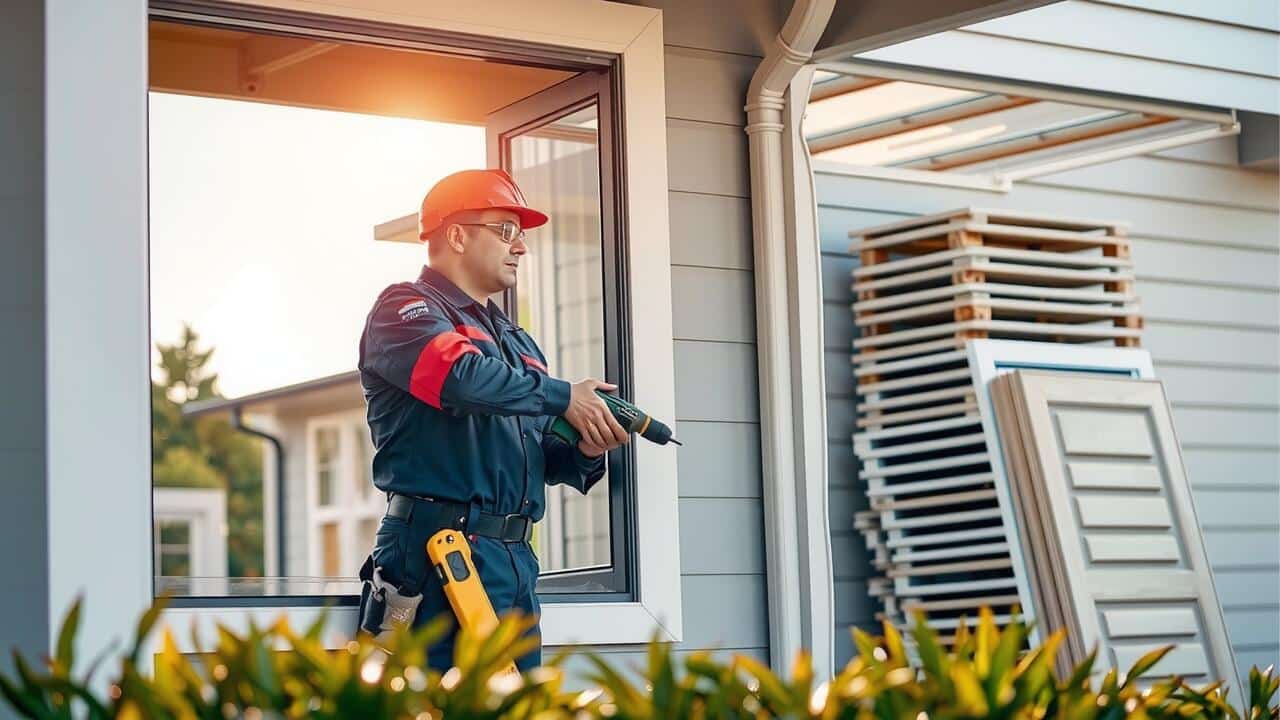
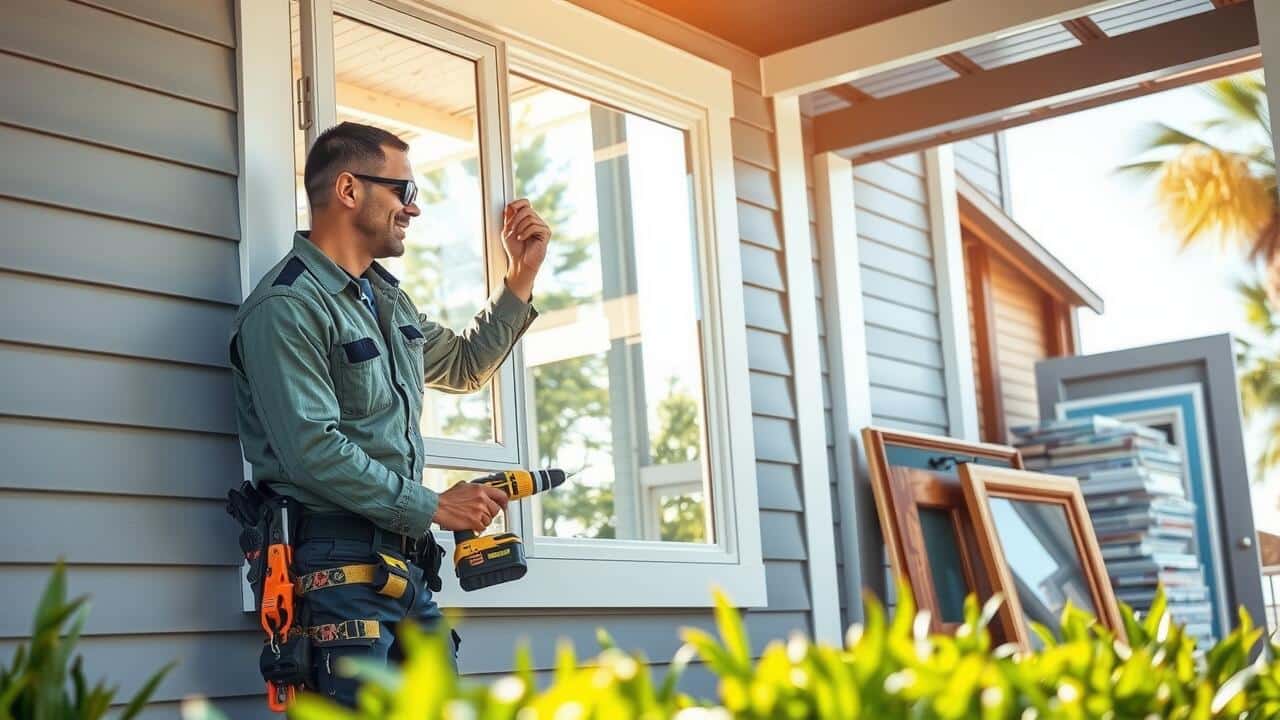
Many homeowners consider the option of DIY for window and door replacement in an effort to save on labor costs. This approach can be appealing, particularly if a homeowner possesses the necessary skills and tools. However, proper installation is critical for ensuring energy efficiency and structural integrity. A small mistake during installation may lead to drafts, leaks, or other long-term issues that could offset any savings.
On the other hand, professional installation offers expertise and experience that can provide peace of mind. Contractors typically have knowledge of local building codes and best practices, which can streamline the process and ensure proper sealing and alignment. While the upfront cost is higher, this investment can lead to better overall performance of windows and doors, ultimately proving beneficial in the long run.
Cost Comparisons and Potential Risks
When considering window and door replacement in residential projects, homeowners often face the dilemma of choosing between a DIY approach and hiring professionals. DIY may seem cost-effective at first glance, allowing for potential savings on labor costs. However, the costs associated with purchasing tools, materials, and time can accumulate quickly. Mistakes made during installation can lead to additional expenses down the line, such as repairs or inefficient sealing that compromises energy efficiency and overall functionality.
On the other hand, professional installation brings its own set of advantages and risks. While labor costs can drive up the overall price of window and door replacement in many cases, skilled contractors typically ensure a more precise installation. This can enhance longevity and performance, which are critical factors to consider. However, it is crucial to assess the reputation and experience of the chosen contractor, as subpar workmanship can lead to ongoing problems, necessitating future repairs that could offset initial savings.
FAQS
What is the average cost to replace windows and doors?
The average cost for replacing windows and doors can vary widely based on factors such as the type of materials used, the size of the openings, and the complexity of the installation. Generally, homeowners can expect to pay between $300 to $1,000 per window and $500 to $2,500 per door.
Are energy-efficient windows and doors worth the investment?
Yes, energy-efficient windows and doors often provide a higher return on investment by reducing energy bills and increasing the comfort of your home. Many homeowners find that the long-term savings on energy costs justify the initial higher expense.
How do regional variations impact the cost of window and door replacement?
Regional variations can significantly impact the cost due to factors such as local labor rates, materials availability, and climate considerations. For instance, areas with harsher climates may see higher costs for more durable materials.
Is it cheaper to install windows and doors myself or hire a professional?
While DIY installation can save on labor costs, it carries risks such as improper installation, which can lead to leaks and energy loss. Professional installation may have a higher upfront cost, but it often ensures better quality and longevity.
What additional costs should I consider when replacing windows and doors?
Beyond the basic costs of the windows and doors themselves, consider additional expenses such as removal of old fixtures, disposal fees, potential repairs to wall framing, and any necessary permits or inspections.