Table Of Contents
Step-by-Step Repair Process
Begin by assessing the extent of the damage to your deck. Focus on identifying the areas where rot has affected the wood. Use a screwdriver or pry bar to probe the wood and determine how deep the rot extends. Mark these areas clearly. If the rot is localized, you can often repair only the damaged sections rather than replacing entire boards. Clean the surrounding area to prepare it for repair, removing any debris or loose materials.
Next, if the damage is shallow, you can use a wood filler or a specialized epoxy to fill in the rotting spots. For deeper rot, you may need to cut away the affected sections of wood using a saw. Replace these pieces with new, treated lumber that matches the original structure. Secure the new boards firmly in place. To ensure long-term stability, it might be beneficial to search for “Deck Repair near me” to find local professionals who can assist with this process or provide additional insights.
Preparing the Area for Repair
Before starting any repair work, it is crucial to prepare the area properly. Begin by clearing the deck of all furniture, plants, and any other items. This creates an open space that allows for easier access to the defective areas. Inspect the decking thoroughly for loose or damaged boards, ensuring you have a clear understanding of the extent of the rot. Use a pry bar if needed to gently remove any loose decking to prevent injury or further damage during the repair process.
Once the area is clear, assess the underlying structure for any signs of damage. Look for warped joists or any decay that may have spread beyond the visible decking. Take careful notes of the areas that require attention. If the damage is extensive, consider searching for “Deck Repair near me” to find professional services that can assist with more complicated repairs. Preparing the area thoroughly sets the foundation for effective and lasting repair work.
Preventive Measures After Repair
Once the repair is complete, implementing preventive measures is essential to extend the life of your newly restored decking. Regular inspections will help identify any signs of new damage or wear before they become serious issues. Keeping the decking clean and free from debris also plays a crucial role in preventing moisture buildup, which can lead to further decay.
Applying sealants or preservatives can protect the wood from the elements. These treatments create a barrier against water and UV rays, safeguarding the surfaces from potential rot. If you’re uncertain about how to maintain your deck, searching for “Deck Repair near me” can connect you to local professionals who offer maintenance services and advice tailored to your specific decking material.
Treatments to Extend Deck Longevity
To extend the longevity of your deck, applying a high-quality sealant is essential. A sealant creates a protective barrier against moisture, UV rays, and weather conditions that can contribute to rot. Regularly reapplying sealant, typically every year or two, helps maintain this barrier and keeps the wood in good condition. Furthermore, choosing a sealant that contains mildew and mold inhibitors can further protect your deck from harmful growths that can weaken the material.
Another effective treatment involves utilizing wood preservatives. These products penetrate deep into the wood, providing additional protection against rot and insect infestations. Select preservatives that are specifically designed for outdoor use, as they are formulated to withstand exposure to the elements. For those unsure about the availability of quality options, searching for “Deck Repair near me” can yield local suppliers who can offer tailored advice and assistance for further enhancing your deck’s durability.
When to Consider Replacement
In some cases, repair efforts may prove futile, leading to the decision to replace the decking entirely. If extensive damage is present, such as deep rot or structural compromise, it’s essential to evaluate the feasibility of repairs. Inspecting not just the surface but also the support beams and joists can help determine the overall integrity of the deck. When multiple areas show signs of decay, investing in a full replacement may be the more practical route to ensure safety and maintain property value.
Homeowners should also consider replacement if they encounter continuous issues despite previous repair attempts. If the decking has been patched repeatedly yet problems persist, it often indicates that the underlying materials are beyond salvaging. Engaging with local services for “Deck Repair near me” can provide insights into the most effective options for both repair and replacement, allowing for a more informed decision on how to best proceed with a safe and durable outdoor space.
Signs That Repair Is Not Feasible
Identifying when a deck is beyond repair is crucial. If the rot has spread extensively, affecting structural components such as joists or beams, restoration efforts may not provide the necessary safety or stability. Inspect the deck thoroughly for deep cracks, severe warping, or large areas of decay. Visible mold or mildew indicates an ongoing moisture problem, which often makes repair impractical.
A lack of support can also determine whether repair is feasible. If the deck wobbles or has an unstable foundation, patches and fixes may only be a temporary solution. In such cases, seeking professional help is advisable. Searching for “Deck Repair near me” can lead to consultations that might confirm the need for a full replacement rather than repairs.
FAQS
Can I repair rotten decking, or do I need to replace it?
In many cases, you can repair rotten decking without replacing the entire structure, especially if the damage is localized. However, if the rot is extensive, replacement may be necessary.
What tools do I need to repair rotten decking?
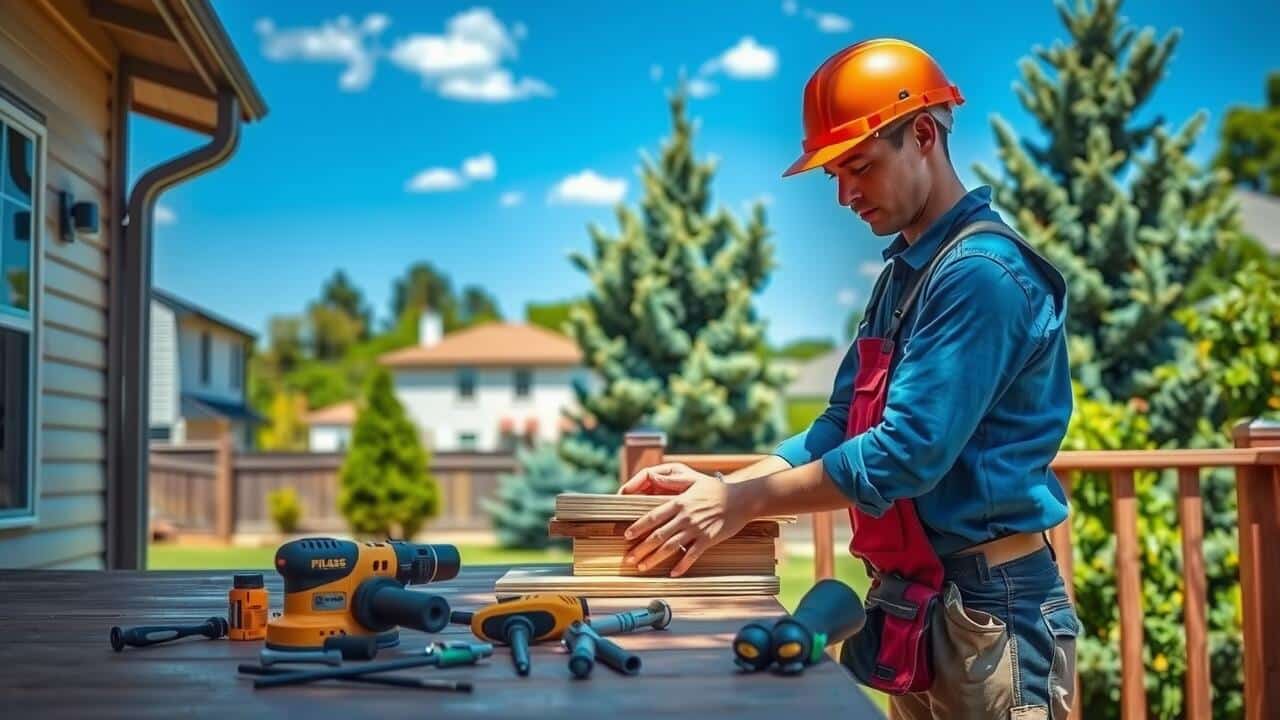
To repair rotten decking, you’ll typically need a pry bar, saw, drill, wood filler or epoxy, sandpaper, and safety equipment such as gloves and goggles.
How do I know if my decking is too damaged to repair?
Signs that repair is not feasible include widespread rot, structural instability, or significant damage to support beams. If you notice soft spots across large areas, it may be time for replacement.
What preventive measures can I take after repairing my decking?
After repairs, you can apply sealants, stains, or paints to protect the wood from moisture and UV damage. Regular inspections and maintenance can also help prolong the life of your deck.
How can I extend the longevity of my deck?
Treatments such as applying water-repellent sealers, using proper drainage systems, and ensuring adequate airflow can help extend the longevity of your deck after repairs. Regular maintenance is also essential.