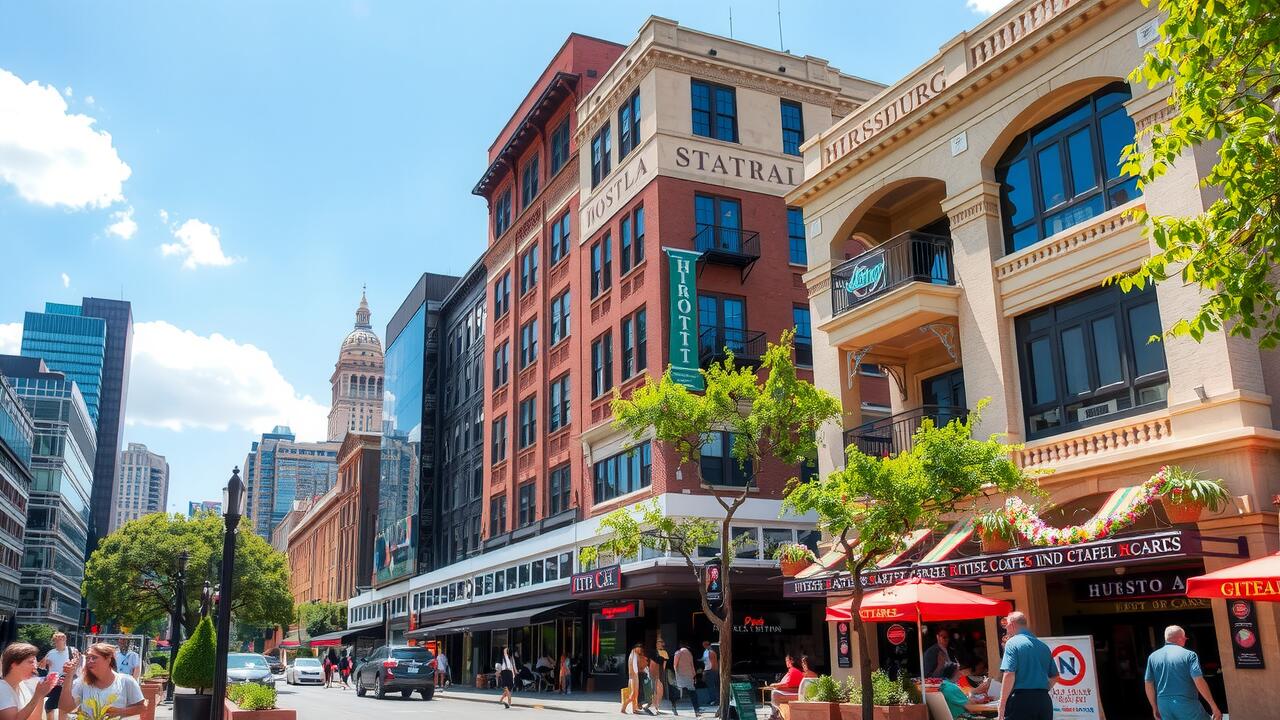
Transportation Options in Harrisburg
The transportation landscape in Harrisburg is quite varied, offering residents and visitors multiple ways to navigate the city. Public transit is primarily managed by the Capital Area Transit (CAT) system, providing bus services that connect key neighborhoods, commercial districts, and regional centers. For those who prefer to drive, the city’s well-maintained roadways and easy access to major highways facilitate convenient travel not just within Harrisburg, but also to surrounding areas.
Biking is gaining popularity in Harrisburg, thanks to growing efforts to create bike-friendly paths and lanes. Many residents opt to cycle for both commuting and leisure, enjoying the city’s parks and scenic routes. Additionally, walking is a viable option in certain neighborhoods where amenities are within close proximity. Overall, the variety of transportation options encourages a sense of accessibility, supporting the daily lives of those in the community.
Public Transit and Road Infrastructure
Public transportation in Harrisburg primarily revolves around the Capital Area Transit system, which provides bus services throughout the city and neighboring areas. The network is designed to accommodate commuters and residents, offering connections to key destinations such as schools, shopping centers, and healthcare facilities. While the system may not be as extensive as those found in larger urban environments, it serves as a vital resource for those who rely on public transit for their daily activities.
Road infrastructure in Harrisburg is structured to facilitate smooth traffic flow, with a series of major highways and arterial roads linking the city to nearby regions. This framework supports both local commuters and long-distance travelers, making access to surrounding areas convenient. While the roads are generally well-maintained, the growing population has led to increased traffic congestion during peak hours. City planners continue to explore options for improving transportation efficiency and enhancing the overall infrastructure to meet evolving needs.
Local Culture and Community Events
The vibrant cultural scene in Harrisburg offers residents and visitors a variety of opportunities to engage with art, music, and local traditions. Community events frequently showcase local talent, creating a platform for artists, musicians, and performers to connect with audiences. Weekly farmers’ markets highlight the region’s agricultural bounty and provide a space for social interaction and community bonding.
Throughout the year, Harrisburg hosts several festivals that celebrate its rich history and diverse population. These events draw people from near and far, fostering a sense of unity and local pride. Seasonal celebrations often feature food, music, and family-friendly activities, ensuring there is something for everyone. Local organizations work tirelessly to promote these gatherings, emphasizing the importance of cultural engagement and community spirit.
Festivals and Celebrations in Harrisburg
Throughout the year, residents and visitors in Harrisburg can participate in a variety of vibrant festivals that showcase the city’s rich cultural heritage. One of the most anticipated events is the Harrisburg Arts Fest, which takes place each fall. This celebration highlights local artists, musicians, and culinary offerings, attracting crowds eager to experience the creative spirit of the community. Vendors set up booths filled with handcrafted goods, while food trucks serve a plethora of delicious options, ensuring there is something for everyone.
Another significant celebration is the annual Capital City Region Wine Festival, drawing wine enthusiasts from across the state. This event features tastings from local wineries, allowing attendees to sample a diverse array of wines while enjoying live music and entertainment. Local chefs often showcase their culinary skills with food pairings, making it a delightful experience for all the senses. These festivals not only promote local businesses but also foster a strong sense of community among residents.
Comparison of Harrisburg and Houston
Harrisburg and Houston exhibit distinct characteristics that shape the daily lives of their residents. Harrisburg, as the capital of Pennsylvania, presents a more intimate atmosphere with a population that fosters a strong sense of community. The city features a quaint downtown area, where historical landmarks and local businesses coexist, providing a unique blend of charm and functionality. In contrast, Houston, one of the largest cities in the U.S., is known for its expansive metropolitan landscape. The vibrant city thrives on its diverse economy, driven by industries such as energy, healthcare, and aerospace, contributing to a fast-paced lifestyle.
When it comes to climate, the two cities also differ significantly. Harrisburg experiences a more temperate climate with four distinct seasons, including cold winters and warm summers. This seasonal variety influences local recreational activities and community gatherings throughout the year. Houston, on the other hand, is characterized by a humid subtropical climate, leading to hot summers and mild winters. The warm weather in Houston supports a year-round outdoor culture, where residents often partake in various events, from food festivals to sports activities. These differences ultimately create unique living experiences, shaping what residents come to expect from their cities.
Key Differences in Lifestyle and Environment
Harrisburg offers a slower pace of life compared to the bustling environment of Houston. Residents often appreciate the tight-knit community feel and the ability to engage more deeply with local businesses and community events. In contrast, Houston’s vast size provides residents with diverse opportunities, ranging from job markets to cultural experiences. The dynamic atmosphere in Houston often appeals to those seeking excitement and variety in their daily lives.
The environmental landscape also sets the two cities apart. Harrisburg, with its historic charm and proximity to nature, provides ample outdoor spaces and scenic views. This setting encourages a more relaxed lifestyle, encouraging residents to take advantage of parks and recreational activities. Meanwhile, Houston’s urban sprawl and industrial development create a different environment, characterized by an emphasis on economic growth and technological advancement, which influences the lifestyle and daily routines of its inhabitants.
FAQS
What are the main public transit options available in Harrisburg?
In Harrisburg, the main public transit options include Capital Area Transit (CAT) buses, which provide local service throughout the city and surrounding areas, as well as Amtrak services for intercity travel.
How does the road infrastructure in Harrisburg compare to that of Houston?
Harrisburg has a more compact road infrastructure suited for its smaller population, while Houston features a larger and more complex network of highways and roads to accommodate its much larger population and urban sprawl.
What types of cultural events can I expect to find in Harrisburg?
Harrisburg hosts a variety of cultural events throughout the year, including art festivals, music concerts, and community celebrations, reflecting the city’s diverse heritage and vibrant arts scene.
What are some popular festivals celebrated in Harrisburg?
Popular festivals in Harrisburg include the Kipona Festival, which celebrates local culture and arts, and the Harrisburg Wine and Beer Festival, showcasing local beverages and cuisine.
What are the key lifestyle differences between Harrisburg and Houston?
Key lifestyle differences include Houston’s fast-paced urban environment with a focus on business and industry, while Harrisburg offers a more relaxed pace with a strong sense of community and historical charm.
Harrisburg, Houston
Services Provided by Houston Home Remodeling Pro’s in the Harrisburg, Houston area:
Bathroom Remodeling
Interior Design
Gutter Installation
Siding Installation
Roofing Services
Fence Installation
Landscaping Design
Home Renovation
Electrical and Plumbing Services
Flooring Installation
Painting
Drywall Installation
Kitchen Remodeling
Room Additions
Basement Finishing
Window and Door Replacement
Residential Construction
Deck Repair
Painting Services
Swimming Pool Installation
Masonry and Concrete Work
Masonry Services
Deck and Patio Construction
Garage Remodeling
Pergola Installation
HVAC Installation and Repair
Custom Deck Design
Home Additions
Commercial Construction
Deck Building
Outdoor Kitchen Construction
Landscaping Services