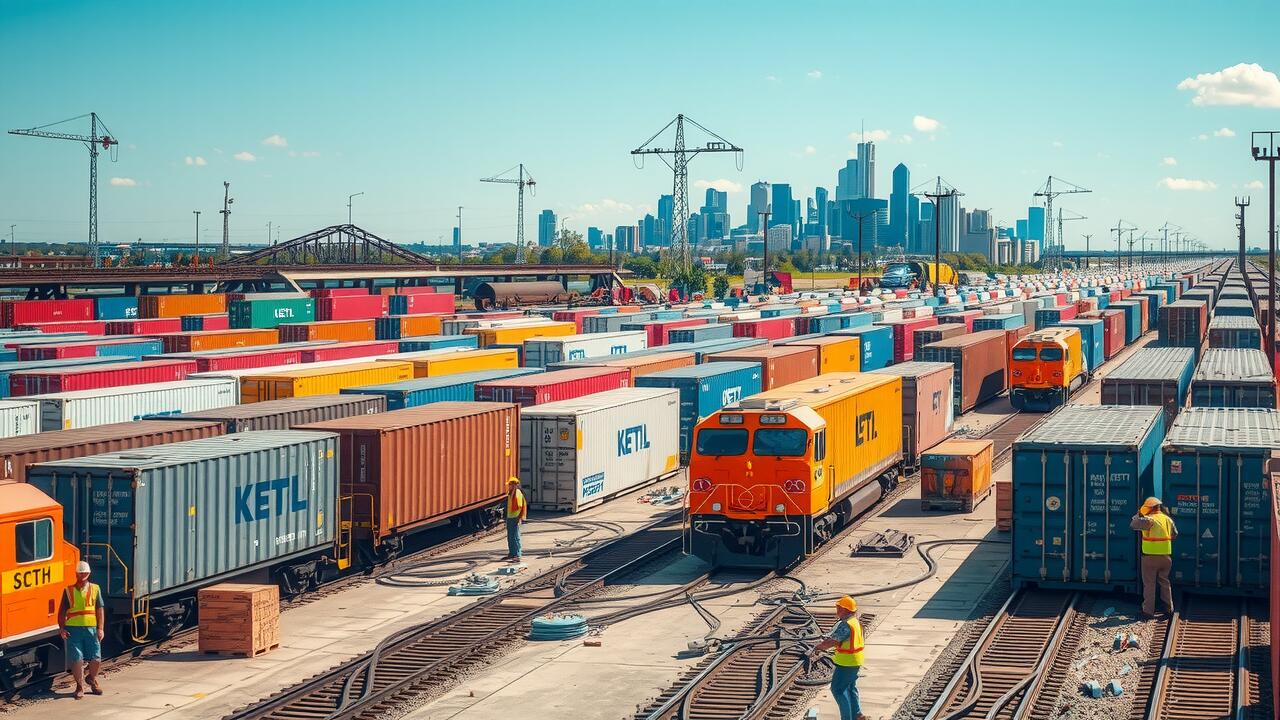
Environmental Considerations
Freight Junction in Houston plays a significant role in planning and implementing environmentally responsible practices. The area is strategically positioned to minimize transportation distances, reducing carbon emissions associated with freight movement. Efforts to enhance the efficiency of logistics not only benefit the environment but also improve operational costs. Various initiatives aim to reduce waste and promote recycling within the supply chain, ensuring that all stakeholders contribute to a greener future.
Air quality remains a primary concern in urban freight operations. Various strategies focus on selecting cleaner vehicles and optimizing routes to decrease pollutants. Collaboration with local governments and environmental organizations supports the development of stringent emission standards. These measures align with broader sustainability goals while encouraging companies within the Freight Junction to adopt greener technologies and practices.
Sustainability Initiatives in Freight Operations
Freight operations in Houston are increasingly incorporating sustainable practices to reduce their environmental impact. Many companies are adopting alternative fuels such as biodiesel and compressed natural gas to power their fleets. Electric vehicles are also gaining traction, with charging infrastructure being developed alongside freight routes. Companies are not only focusing on emissions reductions but also actively engaging in waste reduction efforts through recycling programs and the use of sustainable packaging materials.
Investment in energy-efficient technologies plays a crucial role in enhancing sustainability. Advanced logistics software helps optimize routes, minimizing fuel consumption and transit times. Implementing intermodal transportation strategies allows for a seamless shift from road to rail, which can be more environmentally friendly. Furthermore, partnerships with local governments and environmental groups aim to promote eco-friendly practices within the freight industry, fostering a culture of sustainability that aligns with broader community goals.
Safety Measures and Regulations
The safety of freight operations at the junction is a top priority, with stringent regulations in place to protect both workers and the public. Regular inspections and maintenance of equipment ensure that all machinery operates efficiently and safely. Training programs for personnel focus on proper handling of hazardous materials and emergency response procedures, fostering a culture of safety among employees. Additionally, collaboration with local authorities helps address any safety concerns that may arise.
Compliance with federal and state regulations forms the backbone of operational safety. Freight transport regulations dictate standards for vehicle maintenance, cargo handling, and environmental practices. Adhering to guidelines set by the Federal Motor Carrier Safety Administration and other regulatory bodies is essential for all freight operators. Inspections and audits evaluate compliance regularly, promoting accountability and enhancing safety protocols throughout the junction.
Compliance Standards for Freight Transport
Freight transport operates under an array of compliance standards designed to ensure safety, durability, and environmental protection. The Federal Motor Carrier Safety Administration (FMCSA) establishes guidelines that all freight carriers must adhere to, covering aspects such as vehicle maintenance, driver qualifications, and hours of service regulations. Additionally, the Environmental Protection Agency (EPA) outlines emissions standards that aim to minimize the ecological impact of freight operations. These regulations help maintain a level playing field in the industry while promoting responsible practices among all participants.
Industry participants must stay updated on changing regulations to avoid potential penalties. Regular audits and inspections are critical in ensuring adherence to both state and federal requirements. Companies often implement comprehensive training programs for their employees focused on compliance education and best practices. This proactive approach not only fosters a culture of safety but also enhances operational efficiency within freight transport. As compliance standards evolve, businesses must remain vigilant and adaptable to maintain their competitive edge.
Technology Integration in Freight Junction
Advancements in technology have significantly transformed operations at the Freight Junction in Houston. Innovations in tracking systems have enabled real-time visibility of cargo movements, improving efficiency and reducing the likelihood of delays. Systems leveraging GPS and RFID enhance logistical coordination, allowing for better inventory management and streamlined supply chain processes. This integration not only optimizes resource allocation but also helps in minimizing operational costs.
Communication tools play a pivotal role in harmonizing various stakeholders involved in freight operations. Platforms that facilitate instant messaging and information sharing between shippers, carriers, and receivers enhance collaboration and responsiveness. The adoption of cloud-based solutions enables seamless data access and management, fostering a more agile approach to freight logistics. These technological advancements contribute to the overall resilience and adaptability of the freight network in Houston.
Innovations in Tracking and Communication
The adoption of advanced tracking technologies has transformed how freight operations are managed. Real-time GPS tracking allows logistics managers to monitor cargo movements with precision, providing insights into estimated arrival times and potential delays. This transparency enhances operational efficiency and enables proactive decision-making to mitigate disruptions.
Communication tools have also evolved significantly, bridging gaps between shippers, carriers, and recipients. Integrated platforms streamline updates by allowing all parties to receive notifications about shipment status changes instantly. This collaborative approach not only improves customer satisfaction but also fosters accountability throughout the supply chain.
FAQS
What is Freight Junction in Houston?
Freight Junction is a logistics hub in Houston designed to streamline freight operations, enhance transportation efficiency, and improve overall supply chain management.
What sustainability initiatives are being implemented at Freight Junction?
Freight Junction is focused on reducing its carbon footprint through various sustainability initiatives, including adopting green logistics practices, utilizing energy-efficient vehicles, and implementing waste reduction programs.
How does Freight Junction ensure safety in freight transport?
Freight Junction prioritizes safety by adhering to strict compliance standards, conducting regular safety inspections, and implementing comprehensive training programs for all personnel involved in freight operations.
What technology is used for tracking and communication at Freight Junction?
Freight Junction employs advanced tracking systems and communication technologies, such as GPS tracking, real-time data analytics, and integrated software platforms, to enhance transparency and efficiency in freight management.
What are the compliance standards for freight transport at Freight Junction?
Compliance standards at Freight Junction include adherence to federal and state regulations, environmental policies, and industry best practices to ensure safe and efficient freight transport operations.
Freight Junction, Houston
Services Provided by Houston Home Remodeling Pro’s in the Freight Junction, Houston area:
Bathroom Remodeling
Interior Design
Gutter Installation
Siding Installation
Roofing Services
Fence Installation
Landscaping Design
Home Renovation
Electrical and Plumbing Services
Flooring Installation
Painting
Drywall Installation
Kitchen Remodeling
Room Additions
Basement Finishing
Window and Door Replacement
Residential Construction
Deck Repair
Painting Services
Swimming Pool Installation
Masonry and Concrete Work
Masonry Services
Deck and Patio Construction
Garage Remodeling
Pergola Installation
HVAC Installation and Repair
Custom Deck Design
Home Additions
Commercial Construction
Deck Building
Outdoor Kitchen Construction
Landscaping Services