Table Of Contents
DIY vs. Professional Installation
When it comes to fence installation in residential properties, homeowners often face the choice between DIY projects and hiring professionals. Opting for a DIY installation can save significant money upfront. However, this approach requires a good understanding of tools, materials, and local regulations. Many homeowners may find themselves overwhelmed by the need for precise planning and execution. Mistakes during installation can lead to additional costs or even the need to hire a professional later.
On the other hand, professional installation offers peace of mind and expertise. Experienced contractors can handle complex projects efficiently, ensuring that everything is up to code. Their knowledge of local zoning laws and property lines can save homeowners from potential legal issues. While the initial investment for professional installation is higher, the long-term benefits often outweigh the costs. Homeowners can enjoy a sturdy fence without the stress of potential pitfalls associated with DIY projects.
Cost Breakdown of DIY Fencing
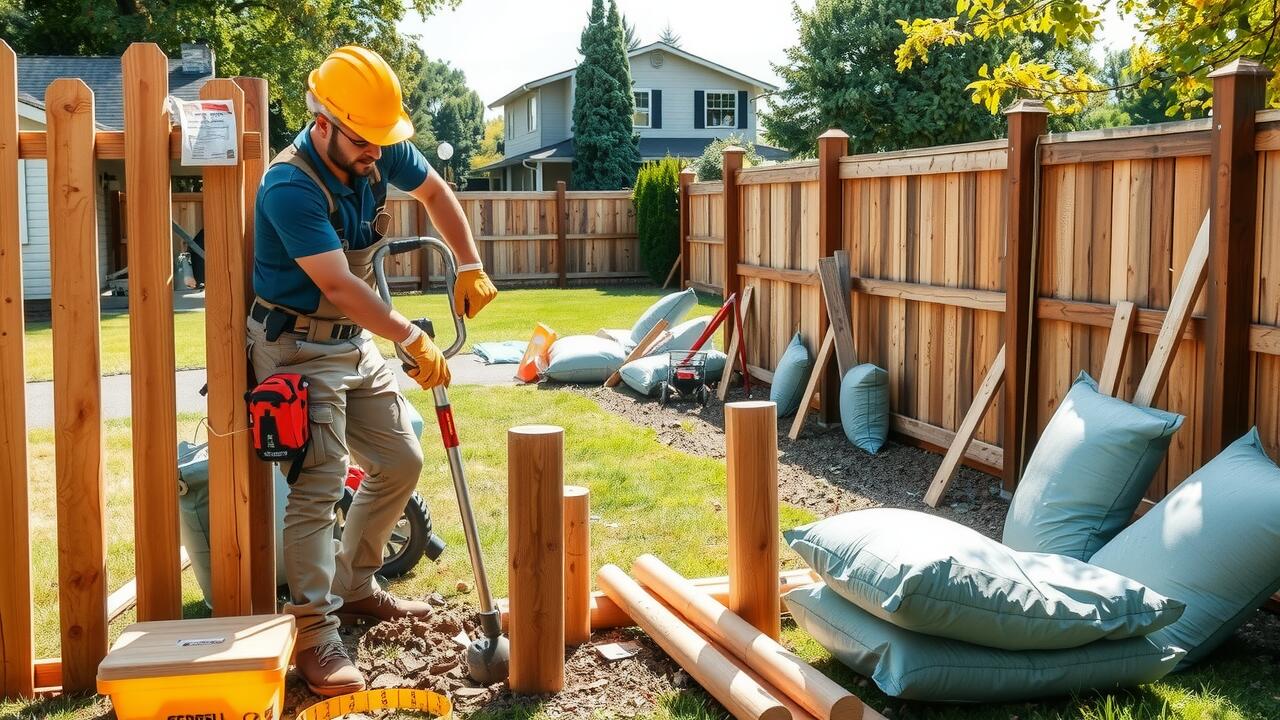
When considering DIY fence installation, it’s essential to understand the various costs involved. The first expense to account for is materials. Depending on the type of fence, prices can vary significantly. For instance, wood, vinyl, and metal all come with different price tags. Beyond materials, tools may need to be purchased or rented; this includes post hole diggers, saws, and levels. Don’t forget to consider additional accessories like concrete for setting posts and any needed paint or stain to protect your investment.
Labor is another crucial factor in the cost breakdown. While DIY projects eliminate professional labor fees, it’s important to evaluate the time and effort required. Installing a fence typically demands physical exertion and may also require some specialized knowledge, particularly for more complex designs. This effort can be time-consuming and may lead to unforeseen challenges during the Fence Installation in various terrains or environments. Planning for unexpected costs is wise to avoid any surprises along the way.
Seasonal Pricing Variations
Fence installation in different seasons can greatly influence pricing due to fluctuations in demand and availability of materials. Spring and early summer often see a surge in homeowners eager to enhance their outdoor spaces, leading to increased labor costs and material prices. During these peak times, contractors may charge higher rates because of the high volume of projects they are managing. For budget-conscious individuals, it may be wise to consider scheduling installation during the off-peak seasons.
Fall and winter tend to slow down the fence installation in most regions. Contractors may offer discounts to attract customers during these quieter months. Material suppliers often mark down prices to reduce inventory, making it a favorable time for homeowners willing to brave colder weather. The combination of lower demand and promotional offers can result in significant savings for those looking to install a fence without the rush of the busy season.
Peak Seasons for Fence Installation
Timing plays a crucial role in the cost and availability of fence installation. Many homeowners opt for installation during the spring and summer months when the weather is ideal for outdoor projects. This seasonal demand can lead to higher prices, as contractors often have a packed schedule. Those looking to install a fence should consider booking early in the year to secure a spot and possibly avoid the peak pricing associated with the busy season.
In contrast, autumn and winter months can present opportunities for more affordable fence installation. Fewer requests for installation during these colder seasons may prompt contractors to offer discounts to fill their schedules. Additionally, the lower demand can lead to quicker service and more flexibility in design choices. Homeowners willing to brave the elements might find that waiting for the off-season can lead to savings and a more streamlined installation experience.
Fence Height and Design Considerations
When considering fence height and design, homeowners must evaluate their specific needs and local regulations. Different municipalities have varying height restrictions that influence the type of fence you can install. For instance, a privacy fence might require a taller height for adequate seclusion, while decorative fences intended mainly for aesthetics may not need to be as high. Hence, potential costs may fluctuate based on compliance with these regulations as well as the style you choose.
The complexity of the fence design also plays a significant role in determining installation costs. Intricate designs, such as those featuring decorative elements or custom patterns, require more time and skilled labor to install, which can drive costs up. Conversely, simpler designs, while potentially more cost-effective, may not provide the same visual impact. When budgeting for Fence Installation in your area, it is vital to consider both height and design factors to ensure you achieve the desired outcome within your financial limits.
How Design Complexity Affects Cost
The complexity of fence design plays a significant role in determining the overall cost of a project. Simpler designs, such as straightforward picket fencing, typically require less material and labor, leading to lower installation fees. Conversely, more intricate designs, like ornamental fencing or multi-level structures, demand specialized skills and additional materials, which can drive up the price. Homeowners must consider the trade-offs between aesthetics and budget when deciding on a fence design.
Factors such as customization and unique features, like gates or decorative elements, can further complicate the pricing structure. Custom-built options often require skilled craftsmanship and tailored materials, which can significantly increase labor costs. Therefore, when planning for Fence Installation in a specific area, it is essential to account for these variations to ensure a realistic budget aligns with the desired design.
FAQS
What factors influence the cost of fence installation?
Several factors influence the cost of fence installation, including the type of materials used, the height and design of the fence, labor costs, and geographic location. Additionally, any specific site conditions, such as uneven terrain or existing structures, can also impact the overall price.
Is it cheaper to install a fence myself or hire a professional?
Generally, DIY installation can be cheaper as you save on labor costs. However, consider the time, tools, and potential mistakes that could lead to additional expenses. Hiring a professional ensures expertise and can save time, which may justify the higher cost.
How do seasonal variations affect fence installation costs?
Fence installation costs can vary by season, with peak seasons often leading to higher prices due to increased demand. Conversely, off-peak times, such as late fall or winter, may offer lower prices and potential discounts as contractors seek to fill their schedules.
What is the average cost to install a fence?
The average cost to install a fence can range widely, typically between $1,500 to $4,000, depending on materials, size, and complexity. On a per-foot basis, costs usually fall between $15 to $50 or more, depending on the type of fence chosen.
How does fence height affect installation costs?
Fence height directly affects installation costs, with taller fences generally requiring more materials and labor to install. Additionally, local regulations and permits may also influence the overall expense, as higher fences may require additional compliance measures.